At the 2026 Game Developers Conference (GDC), a significant divide emerged between tech investors and game developers regarding generative AI. While tech companies and venture capitalists, including Moritz Baier-Lentz of Lightspeed Venture Partners, praised generative AI as a revolutionary tool for game development, a recent GDC survey showed that 52% of developers view it negatively, and only 7% see it as beneficial. Baier-Lentz expressed disappointment, accusing developers of unfairly vilifying AI despite its innovative potential. He linked the resistance to AI to industry-wide layoffs and job security concerns.
Developers also criticized AI for using artists’ work without consent, environmental impact, poor content quality, and fears of culture being diluted by automated "AI slop." In contrast, AI proponents argue that the technology, though imperfect, is rapidly improving and will eventually empower developers rather than replace them—allowing quicker iteration and enhancing creativity. Nvidia’s Bryan Catanzaro added that AI tools still require skilled human guidance. The tension was visually symbolized on the expo floor, where a unionization booth was positioned next to AI startups like Tesana, which promotes AI-only game development.
Investor's Perspective on Generative AI in Gaming
Moritz Baier-Lentz, head of gaming at Lightspeed Venture Partners, a firm with investments in Anthropic and a number of other AI companies, expressed his shock and sadness over the gaming industry's resistance to generative AI. He noted that the gaming business has historically been at the forefront of technological innovation and accused anti-AI game developers of "demonizing" a "marvelous new technology." Baier-Lentz suggested that the negative sentiment towards AI could be attributed to recent industry-wide layoffs and concerns over job security. He emphasized the potential of generative AI to revolutionize game development by enabling faster iteration and enhancing creativity.
Developer Concerns and Ethical Implications
Despite the enthusiasm from investors, a significant portion of the gaming community remains skeptical about the integration of generative AI. According to the 2026 State of the Game Industry Report by the Game Developers Conference (GDC), 52% of game developers believe that generative AI is having a negative impact on the industry, a substantial increase from 30% the previous year. This growing concern highlights the ethical implications associated with AI in gaming, including issues of intellectual property theft, environmental impact, and the potential loss of human creativity in game design.
Developers have raised specific concerns about AI-generated content, such as the use of artists' work without consent, environmental issues, and the quality of AI output. There is also a fear that automating culture production could result in what is now commonly called "AI slop." These apprehensions underscore the need for a balanced approach to integrating AI technologies in game development, ensuring that they complement rather than replace human creativity and labor.
Industry Divide and Future Outlook
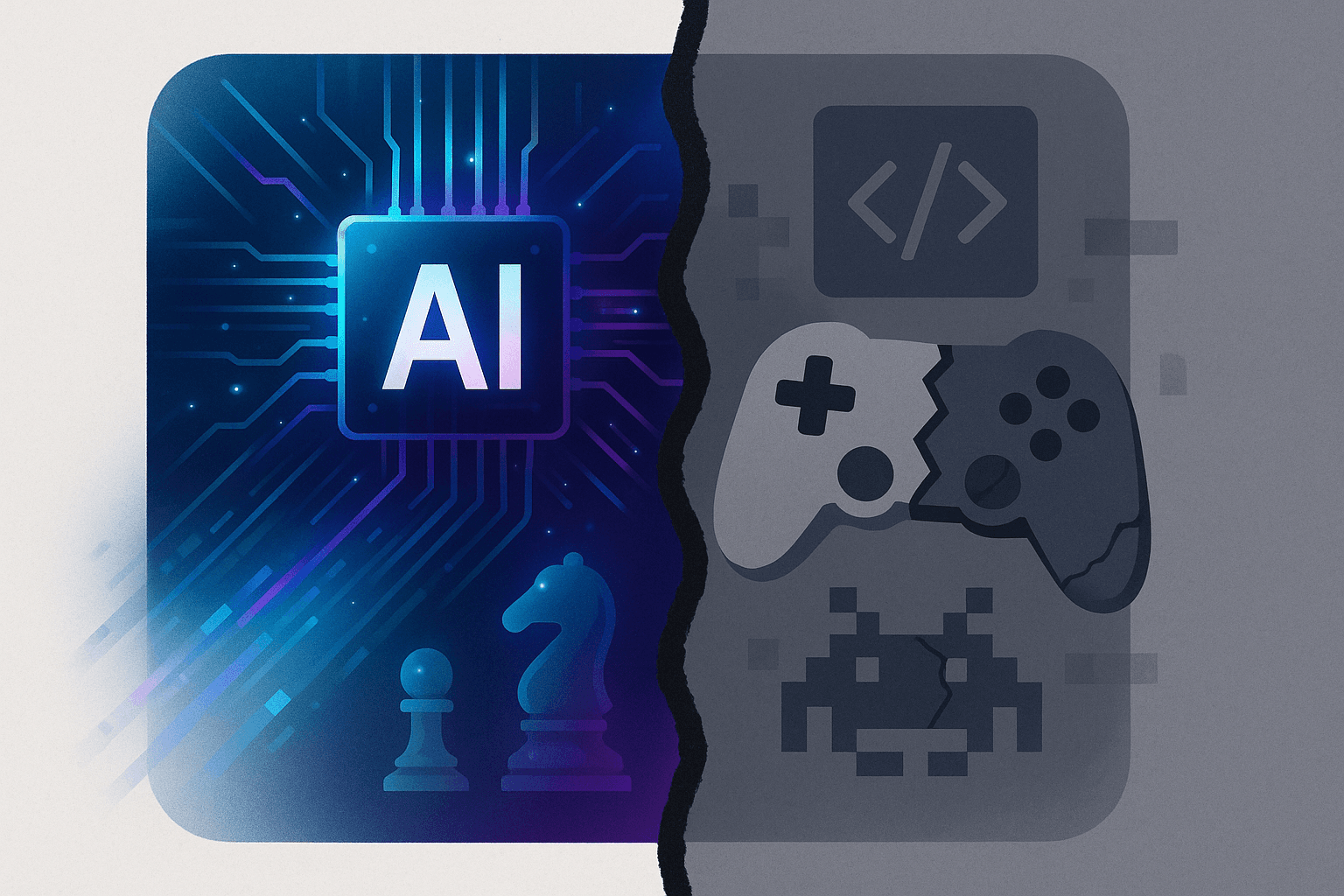
The debate over generative AI in gaming reflects a broader divide within the industry. On one side, investors and tech companies advocate for the adoption of AI to drive innovation and efficiency. On the other, developers and industry professionals express caution, emphasizing the importance of maintaining creative integrity and ethical standards. This divide underscores the need for open dialogue and collaboration to navigate the challenges and opportunities presented by AI technologies in gaming.
As the industry continues to evolve, it is crucial to address the concerns raised by developers while exploring the potential benefits of AI. Striking a balance between technological advancement and ethical considerations will be key to shaping the future of game development. The ongoing discussions and debates at industry events like GDC highlight the importance of this dialogue in fostering a sustainable and innovative gaming ecosystem.
FAQ
What are the main concerns developers have about generative AI in gaming?
Developers are concerned about issues such as intellectual property theft, environmental impact, and the quality of AI-generated content. There is also a fear that automating culture production could result in low-quality, generic content, often referred to as "AI slop." These concerns highlight the need for ethical considerations in the integration of AI technologies in game development.
How does the gaming industry's stance on generative AI impact its adoption?
The industry's divided stance on generative AI affects its adoption by creating a tension between investors advocating for technological innovation and developers emphasizing ethical standards and creative integrity. This divide can slow down the integration of AI technologies and necessitates open dialogue to address concerns and explore potential benefits.
What is the future outlook for generative AI in game development?
The future of generative AI in game development depends on finding a balance between technological advancement and ethical considerations. Addressing developer concerns and ensuring that AI complements human creativity will be crucial in shaping a sustainable and innovative gaming ecosystem. Ongoing discussions and collaborations within the industry will play a significant role in determining the trajectory of AI integration in gaming.

Written by
Emma Carter